Jean-Luc Demaret G
« A perfect family day on the Semois. The welcome at Kayak Semois Ardenne is warm, the equipment is spotless (the kayaks are modern and clean), and the free shuttle system is superbly organised. A must-visit in the Ardennes! »
The complex anatomy of a paradigmatic spa city: from the aristocratic "Café de l'Europe" to the cutting-edge industries of motorsport and environmental protection.
Nestled in the heart of the Ardennes massif and backed by the vast peat expanses of the Hautes Fagnes, the city of Spa, located in the province of Liège in Belgium, represents far more than a simple provincial administrative entity. It is the original and absolute embodiment of a worldwide socio-cultural phenomenon, to such an extent that its place name has become, by antonomasia, the international generic term for establishments devoted to water treatments and wellness.
A thorough analysis of the Spa ecosystem reveals a territorial dynamic of rare complexity. It interweaves centuries-old geopolitical trajectories, hydrogeology with exceptional characteristics, a singular economic governance model based on the monopolistic exploitation of a natural resource, and an uninterrupted capacity for tourist adaptation since the 18th century.
The purpose of this exhaustive report is to dissect the multiple layers that make up the identity and functioning of this city. It aims to examine with precision how a strictly localised natural resource — carbonated mineral water — catalysed the emergence of thermal diplomacy on a continental scale, dictated a specific urban morphology, and imposed an economic model of public-private partnership guaranteeing the environmental sustainability of a territory now protected as a sanctuary.
At a time when Spa enjoys the supreme recognition of UNESCO as a World Heritage Site, the study of its evolution offers a fascinating analytical lens. This lens allows us to observe the slow but irreversible transition from an aristocratic hospitality model towards a modern tourist, industrial and sporting ecosystem, encompassing both contemporary thermal wellness and the cutting-edge industry of motorsport and the rigorous preservation of an intangible cultural heritage.
For the visitor exploring the Ardennes, combining Spa with an adventure further south, such as a kayak descent of the Lesse or the Semois, constitutes the ultimate Ardennes experience, blending therapeutic thermal water with the wild currents of legendary rivers.
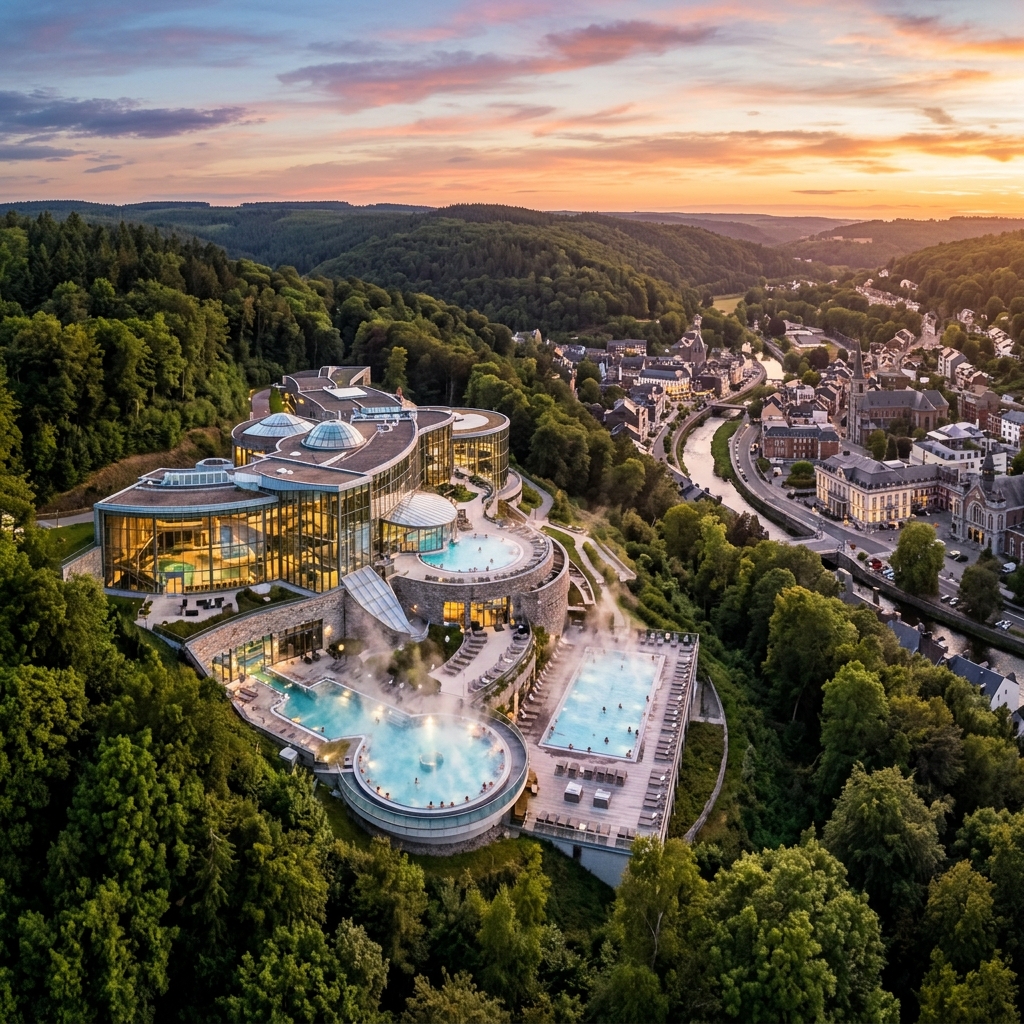
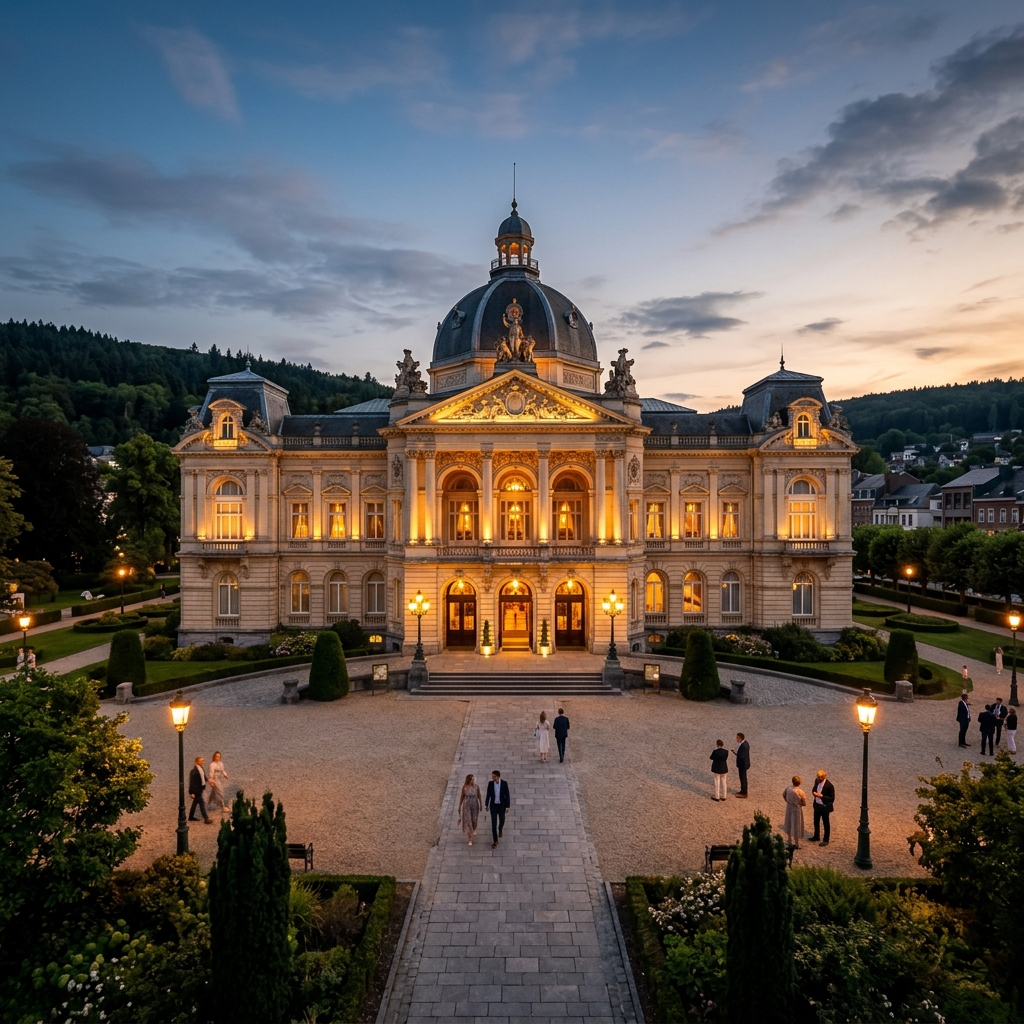
During the 18th century, the urban trajectory of the small town of Spa shifted to reach a continental geopolitical dimension. The city then acquired the prestigious nickname of "Café de l'Europe", a title that reflected its role as a crucial meeting point for the continent's elites. Each year, hundreds, then thousands of visitors from the high European nobility converged on this Ardennes valley.
This exceptional attractiveness rested on a very specific thermal practice, far removed from our contemporary conceptions: at that time, the aristocracy did not bathe in mineral water — they drank it exclusively. The drinking cure was, in reality, a medical pretext justifying highly codified social gatherings. Monarchs, senior diplomats and intellectuals met there to be seen, forge alliances and negotiate treaties in a setting free from the rigid protocol of traditional European courts.
The initial impetus for this international fame is often attributed to the extended stay of Tsar Peter the Great of Russia in 1717, who came seeking relief from his liver ailments, an event that would lastingly mark local toponymy and memory. The city became a genuine theatre of European manners, welcoming Casanova and Queen Christina of Sweden, among others.
However, the systemic upheavals brought about by the French Revolution dealt a first brutal blow to this aristocratic dynamic. Cosmopolitanism was supplanted by national conflicts. But it was the devastating fire of 1807 that truly marked the material end of this first period of glory, ravaging the town as far as the present-day Rue Royale.
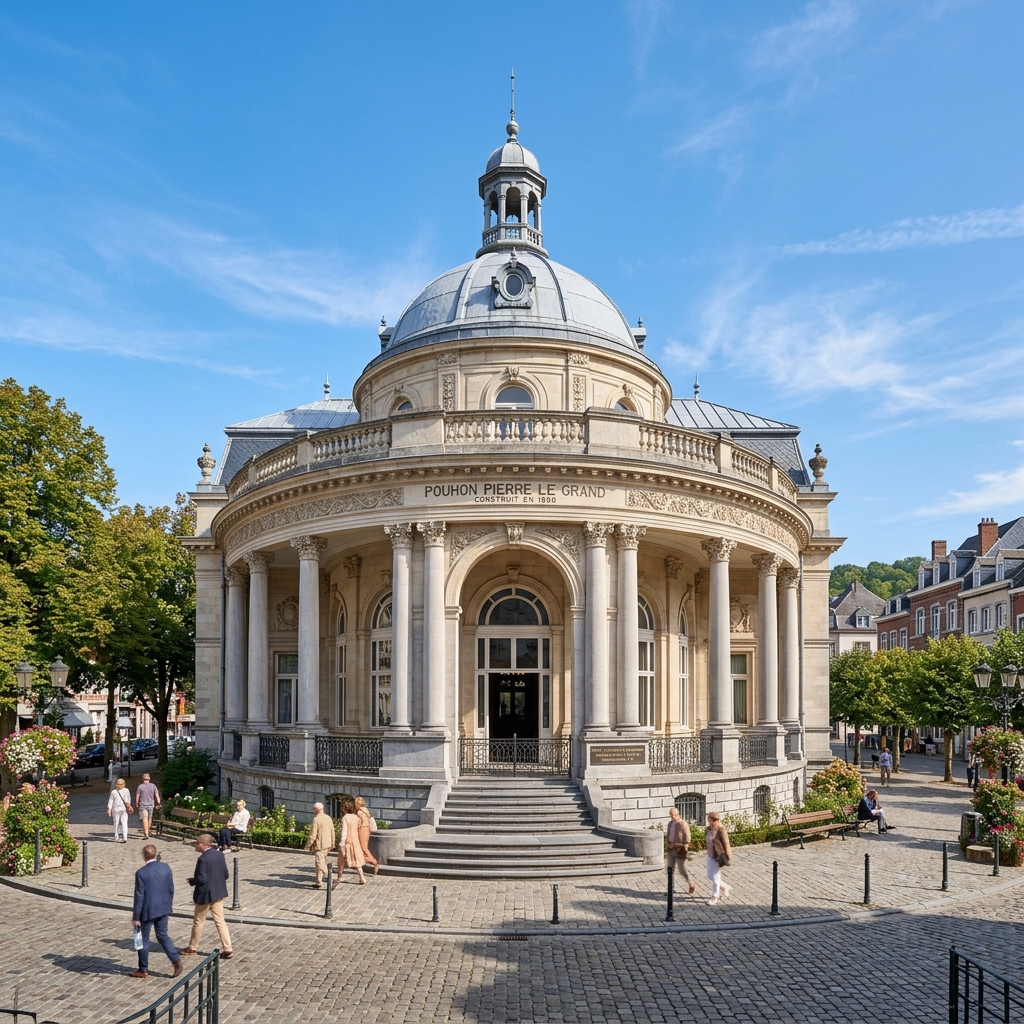
Incorporated into the United Kingdom of the Netherlands in 1815, Spa underwent an architectural transformation inspired by neoclassicism under the impetus of King William of Orange. The absolute symbol of this urban renewal was the construction of a monumental building to house the city's main spring, cementing the name Pouhon Pierre le Grand.
Belgian independence (1830) and the rise of the industrial bourgeoisie radically transformed the cure model. Bathing therapy definitively replaced the drinking cure. The era, often described as Spa's "silver age", saw the Belgian royal family become deeply involved. Queen Marie-Henriette settled there permanently and died there in 1902.
The early 20th century confronted Spa with a crisis when gambling was prohibited. In response, the authorities adopted an audacious revival strategy by constructing a new monumental complex: the Kursaal (the present-day Casino de Spa).
Spa's long trajectory has received the highest heritage distinction. On 24 July 2021, UNESCO formally inscribed Spa on the World Heritage List, as part of the serial property "The Great Spa Towns of Europe". This transnational network groups eleven cities (including Vichy, Baden-Baden and Bath) embodying the pinnacle of European hydrotherapy.
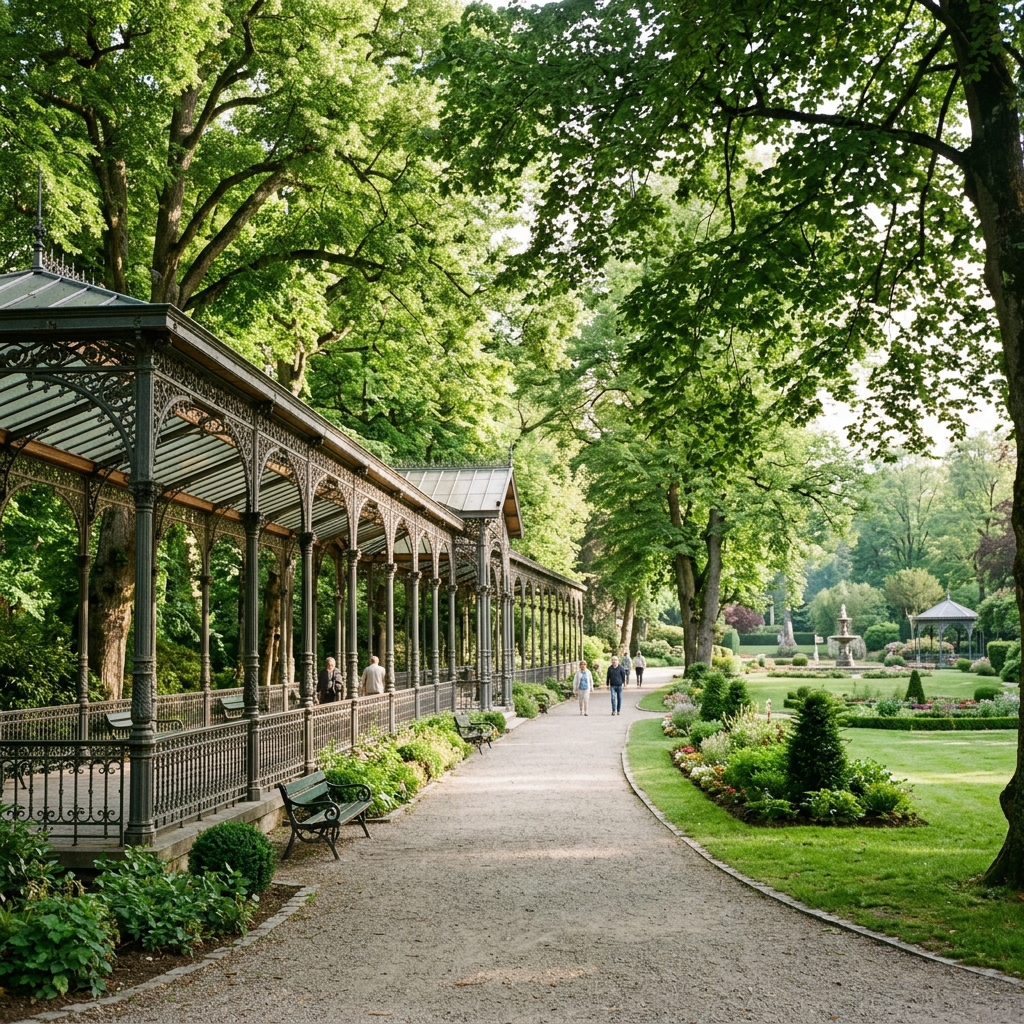
The paradigmatic concept underlying this recognition is that of the "therapeutic landscape". In Spa, water dictates urban planning: the spring emergence points are connected by covered galleries and grand parks (such as the Parc de Sept Heures), enabling the practice of walking, indispensable to thermal therapy.
The centuries-old renown of Spa, as well as the viability of its contemporary economic model, rests entirely on the quality of the fluids from its subsoil. A thorough analysis of the "Spa model" highlights a hydrological and ecological management of extreme precision, built on an unbroken alliance between a favourable physical geography and pioneering environmental legislation.
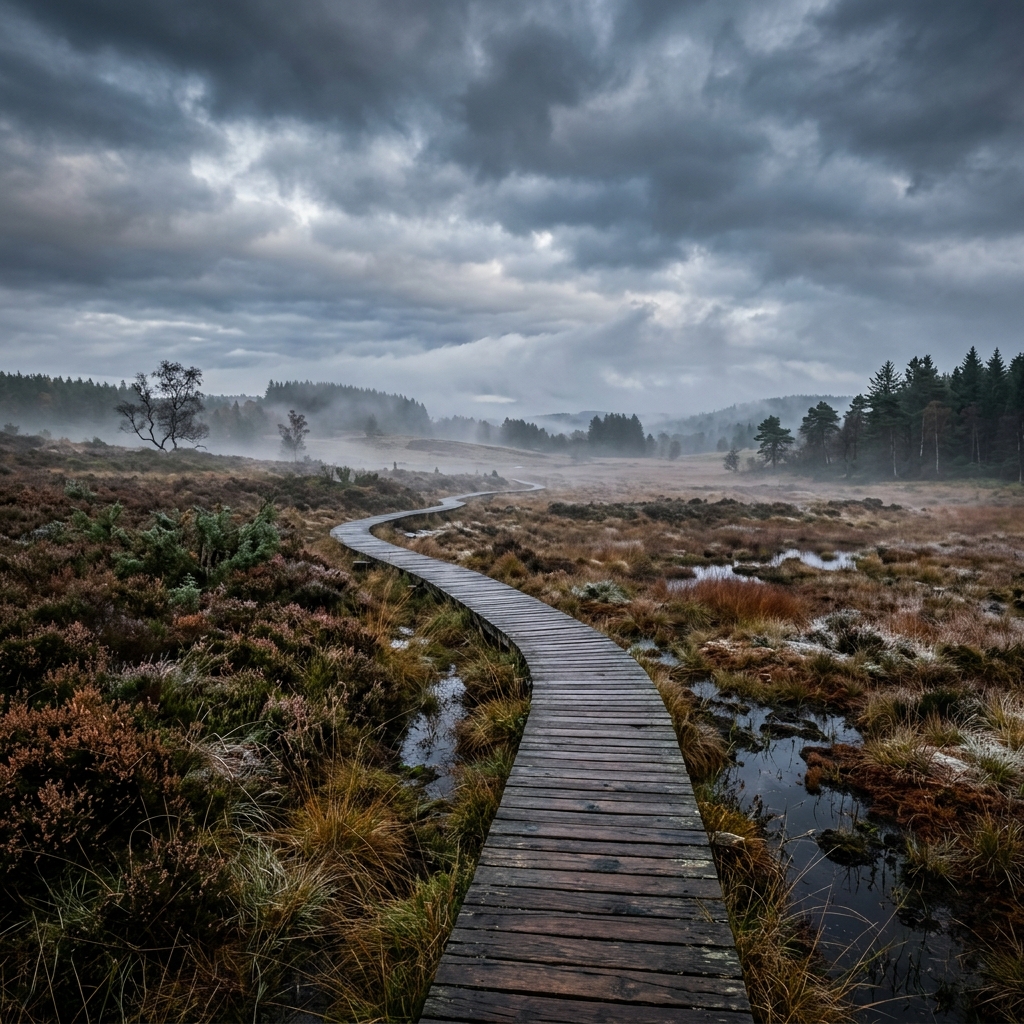
Located on the immediate foothills of the Hautes Fagnes plateau, the Spa region benefits from very specific meteorological and geological conditions. The local microclimate is characterised by abundant rainfall. The immense Fagnes peat bogs act as a colossal natural sponge, retaining water before releasing it with extreme slowness into deep geological faults. During this underground journey lasting several decades, the water purifies itself and becomes charged with mineral salts and naturally occurring carbon dioxide.
The absolute purity of this water being consubstantial with its therapeutic and commercial value, local stakeholders very early understood the existential imperative of protecting the infiltration zones. As early as 1889, a royal decree established a strict protection perimeter around the water catchment zones, instituting what is today considered the very first legal protection zone for natural mineral waters in European history.
Today, this centuries-long effort is institutionalised through the creation of the Parc naturel des Sources. The park encompasses a nature reserve of considerable size, extending over more than 13,177 hectares. Within this perimeter, any agricultural activity using chemical inputs or any industrial development is formally prohibited.
The industrial operator (the Spadel group) has integrated pioneering biosurveillance methodologies. The company deploys numerous bee colonies in the catchment zones, the equivalent of approximately 400,000 natural biological "controllers". The analysis of the harvested honey provides irrefutable proof of the total absence of chemical pollution or pesticides, earning the company the global "AWS Platinum" certification.
Spa's contemporary economy offers an exceptional case study in territorial governance. The city of Spa has jealously maintained a public ownership model: the legal and land title to the entire Natural Mineral Water resource belongs to the municipality's domain. The city has opted for rationalisation by granting a single concession to a major private partner (Spadel).
Academic literature describes this model as the theory of the territorial "basket of goods". Mineral water is conceptualised as the fundamental anchor product around which high-value-added services cluster (wellness treatments, hotels, green tourism, heritage). The medical image of the water enhances tourism, and the historic prestige of the resort enhances the price of the water bottle internationally.
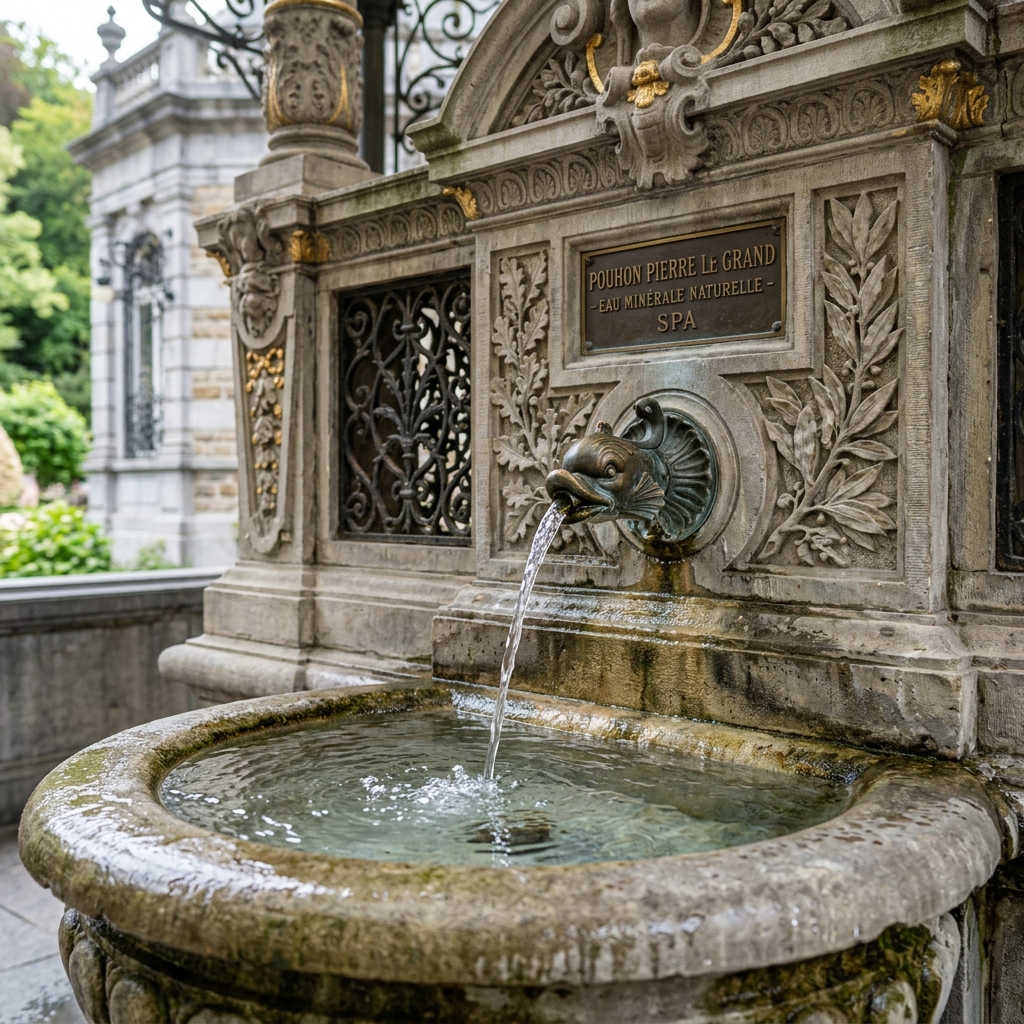
The Spa hydrogeochemistry offers a great variety of therapeutic profiles. Click on a spring to explore its properties.
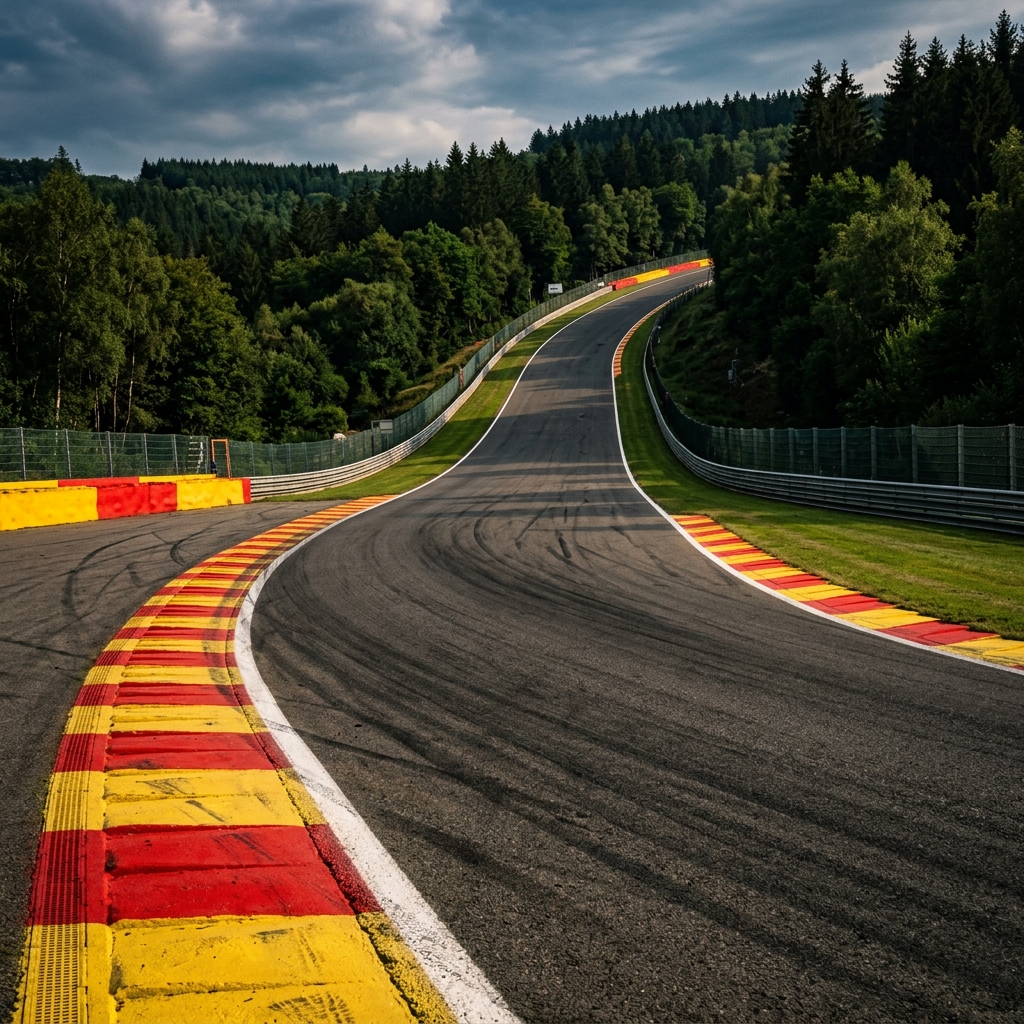
It would be structurally incomplete to analyse the identity of the Spa region without addressing the impact of its most resounding sporting infrastructure. Just a few kilometres from the thermal centre and the tranquility of the parks lies the Circuit de Spa-Francorchamps, universally described as the "most beautiful circuit in the world" by governing bodies and motorsport enthusiasts alike. The history of this ribbon of tarmac illustrates in spectacular fashion the transition from a heroic, extreme and deadly sport to a highly secured and technologised entertainment industry.
Conceived shortly after the First World War, in 1921, the original layout linked the three towns of Francorchamps, Malmedy and Stavelot. Made up of ordinary public roads (open to civilian traffic outside of races), this circuit adhered to a rudimentary engineering philosophy: the pursuit of pure, uninterrupted speed, forming a triangle of nearly 15 kilometres.
Constantly seeking to increase average speeds, the designers modified the layout in 1939. In order to bypass the slow "U-shaped" bend at the old customs post, the engineers decided to cut abruptly through the hill, creating a vertiginous, blind and winding climb. The Raidillon de l'Eau Rouge was born, immediately establishing itself as the circuit's defining feature and becoming one of the most feared and studied corners in world motorsport.
During the golden age of the post-war decades, speeds were mind-boggling on a layout bordered by trees, ravines and houses. In 1973, French driver Henri Pescarolo set the absolute speed record on this original "road" circuit, recording a staggering average of 262.461 km/h over a full lap.
However, faced with a rising toll of tragic accidents, a drivers' revolt led by Jackie Stewart demanded a safety overhaul. In 1979, the circuit underwent major surgery. The dangerous southern section was abandoned in favour of a technical section winding through the forest.
Today, the circuit is a closed permanent track, measuring exactly 7.004 kilometres and counting 19 corners. This fundamental transformation symbolises the industrialisation of motorsport. Despite these safety alterations, the layout has managed to preserve its vertiginous elevation changes, its unpredictable microclimate and the technical demands of its fast corners (Pouhon, Blanchimont), hosting each year the prestigious Belgian Formula 1 Grand Prix and the 24 Hours of Spa.
Spectacular elevation change of 104 metres between the lowest point (326m) and the highest point (432m).
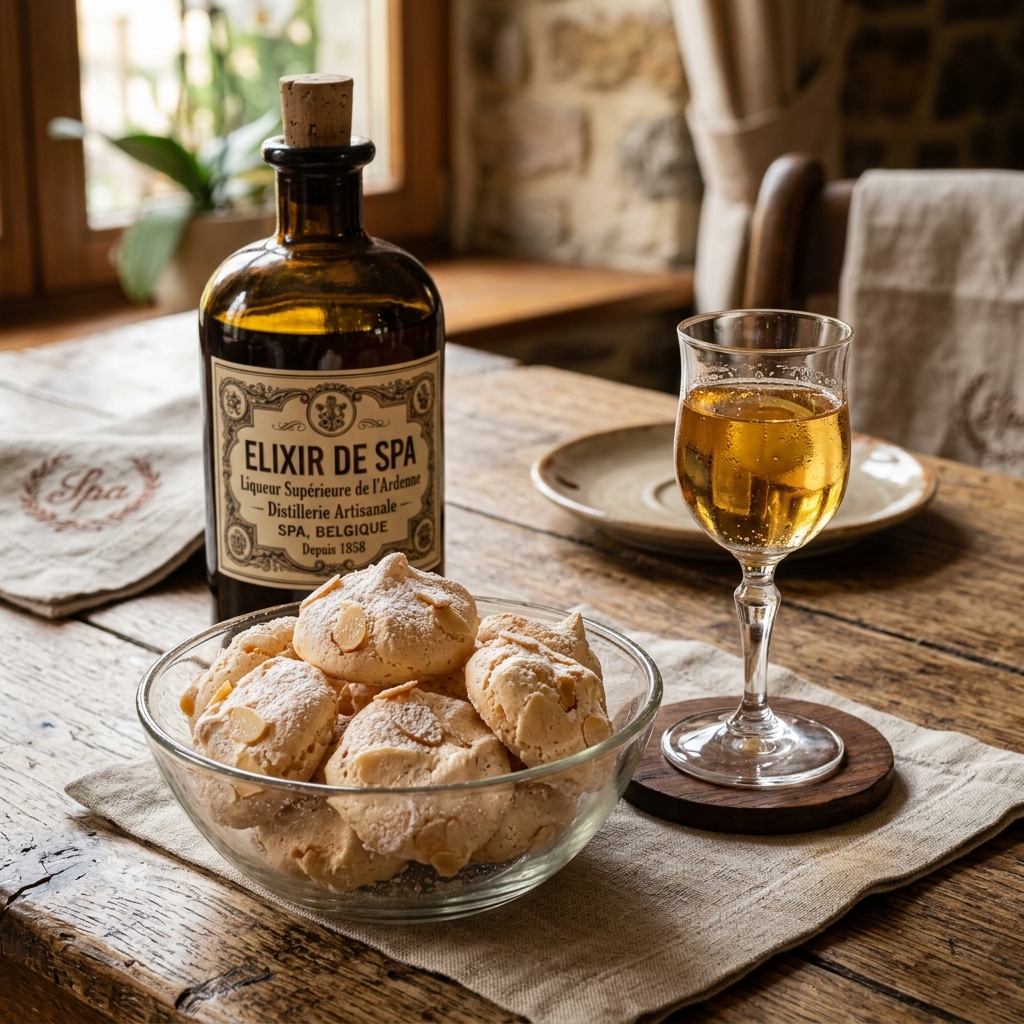
The isolated geography of the city, combined with the very specific sociology of a resort welcoming wealthy elites, has generated over the centuries a gastronomy of great richness. Medieval monastic medicinal traditions merged with the forest resources of the surrounding Ardennes, giving rise to signature products that form an integral part of contemporary local identity.
The tourist engineering of the city of Spa does not stop at the thermal baths or the circuit. The flagship event of the Spa summer is undeniably the Francofolies de Spa festival. Held without interruption every July since 1994, it attracts tens of thousands of festival-goers. The programme, composed of 50% Belgian artists, transforms the city centre into a vast festive hub.
The seasonality of Spa is particularly pronounced. Green tourism (the Fagnes) provides a continuous base, but it is the enormous peaks generated by the Francofolies (in July) and the Formula 1 Grand Prix (late August) that saturate the entire hotel infrastructure of the province of Liège.
Major impact of events (F1 and Francofolies) on local tourism.
The influence of Spa was not limited to the benefits of its ferruginous waters; it profoundly irrigated the literary and artistic thought of the 19th century. The city became a muse for many writers seeking rest or inspiration. Victor Hugo, during his Ardennes wanderings, was fascinated by the contrast between the wild severity of the Fagnes and the urban refinement of Spa. In his notes, he describes a city where nature seems tamed by thermal genius.
Before him, Giacomo Casanova found an ideal playground there for his amorous adventures and gaming strategies. The city was then the only place in Europe where one could encounter, on the same path of the Parc de Sept Heures, a future emperor, a cursed poet and a high-flying adventurer. This social mixing, exceptional for the era, fostered the blossoming of a rich travel literature, making Spa the setting for many tales of manners.
Today, this intellectual heritage perpetuates itself through institutions such as the Musée de la Ville d'Eaux, housed in the former royal villa, where the famous "Jolités de Spa" are preserved — those painted wooden objects (bois de Spa) that bear witness to the refinement of local craftsmanship intended for an aristocratic clientele.
One of the major reasons for Spa's inscription on the UNESCO list lies in its invention of the concept of the therapeutic landscape. Unlike other resorts where treatment is confined to the interiors of buildings, Spa projected therapy into public and natural space. 18th-century physicians, such as Doctor Limbourg, had theorised that the effectiveness of the drinking cure was multiplied tenfold by physical exercise in the open air.
As a result, a complex network of forest walks was laid out with goldsmith-like precision. These paths are not the result of chance: they were designed to offer spectacular views of the valley (the "belvédères"), while providing gentle gradients suited to cardiac patients and convalescents. The network of promenades — the Sauvenière, Meyerbeer or Reine walks — is in itself a work of landscape art, where every bench and every rest pavilion was conceived to promote psychological well-being.
This model influenced the creation of numerous urban parks in Europe and the United States, prefiguring modern hygienic urban planning. Walking along these paths today, the visitor is not simply going for a stroll; they are participating in a two-hundred-year-old medical ritual, a total immersion in an ecosystem designed for healing.
While motorsport dominates the media sphere, Spa is also a major hub for endurance and strength disciplines. Its rugged topography, with significant elevation changes and varied terrain (peat, schist, sandstone), makes it a privileged training ground for elite triathletes and trail runners. The proximity of the Hautes Fagnes offers routes of rare intensity, where the changeable climate adds a further technical dimension.
Cycling holds a place of honour. Spa is regularly crossed by the great Ardennes classics, and its mythical climbs, such as the Rosier (the longest col in Belgium) or the Redoute (located not far away), are places of pilgrimage for cycle-tourists. For those who prefer the water, the region offers an ideal connection with the valleys of the Amblève and the Semois. After a rest cure in Spa, many adventurers choose to head further south for a kayaking experience in the Ardennes, thus completing their aquatic cycle with an immersion in wild river water.
Hiking remains the undisputed queen of activities. With more than 200 km of waymarked trails, Spa allows you to move from deep forest to Fagne moorland in just a few hours. "Micro-adventure" routes are particularly popular, allowing you to bivouac (in authorised zones) and reconnect with raw nature, far from the urban tumult.
Behind the bucolic image of the thermal resort lies an industrial infrastructure of extreme sophistication. The Spa Monopole bottling plant is one of the most modern in Europe, operating according to principles of absolute sustainability. Every drop of water captured is tracked electronically from the borehole to its packaging. Local engineering has developed natural filtration systems that preserve mineral integrity without any chemical treatment.
Protecting the hydrographic basin is a constant challenge. Spa's hydrologists work in close collaboration with foresters to maintain a specific vegetation cover that promotes optimal rainwater infiltration. This expertise in water resource management is now exported as a model of resilience in the face of climate change. Spa does not merely sell water; it produces and protects a life cycle, guaranteeing that future generations will also be able to taste the original purity of the Ardennes.
A thorough study of the city of Spa allows us to transcend the strict definition of an Ardennes municipality. First the exclusive social epicentre of the high nobility of the Ancien Régime, the city has been able to capitalise on major existential crises (fire, loss of medical subsidies) to perpetually reinvent its model of attractiveness.
This extraordinarily complex interweaving between the scientific preservation of a vital natural landscape (the 13,177 protected hectares), the protection of a Belle Époque townscape, and a successful adaptation to the contemporary leisure economy (festivals, world-class circuit), justifies with brilliant clarity its elevation to UNESCO World Heritage status. Spa remains the unsurpassable and living paradigm of the "spa town" on a global scale.
Noté 4.6/5 sur 1282 avis
« A perfect family day on the Semois. The welcome at Kayak Semois Ardenne is warm, the equipment is spotless (the kayaks are modern and clean), and the free shuttle system is superbly organised. A must-visit in the Ardennes! »
« Beautiful kayak trip on the Semois starting from Vresse! Very friendly staff and excellent shuttle service. The associated Au Petit Ben Gneur campsite is also a must for nature lovers. »
« Superb 11 km kayak descent starting from Alle-sur-Semois. The wild nature of the Ardennes is magnificent in the spring sunshine. Very competitive prices compared to the competition. We'll be back! »
« Wonderful experience! The kayak tour on the Semois was perfectly organised. The team is very helpful and speaks good German. The scenery of the Belgian Ardennes is simply breathtaking. »
« Excellent kayak rental service and great campsite on the banks of the Semois. The prices are very fair and the atmosphere is friendly and family-oriented. The little terrace bar is perfect for a refreshing drink after the effort. »
« A fantastic last-minute welcome even though we hadn't booked in the middle of August. Life jackets and waterproof barrels are provided free of charge. Very safe descents, ideal with children! »
« Top-tier kayak rental on the Semois river. Extremely friendly staff, well-maintained kayaks, and a reliable shuttle. The viewpoints along the river are absolutely stunning. Highly recommend this local business! »