
Jean-Luc Demaret G
« A perfect family day on the Semois. The welcome at Kayak Semois Ardenne is warm, the equipment is spotless (the kayaks are modern and clean), and the free shuttle system is superbly organised. A must-visit in the Ardennes! »
Complete expert guide: European legal framework, 14 Walloon Management Units, 3 regulatory levels (15-day notification / 45-day authorization / derogation), CAP subsidies from €48 to €1,200/ha/year, Semois and pearl mussel LIFE projects.
Regulatory & Ecological Analysis
The Natura 2000 network is not a system of total prohibition. It offers a sustainable management framework based on two major European directives: the Birds Directive (2009/147/EC) for Special Protection Areas (SPAs), and the Habitats Directive (92/43/EEC) for Special Areas of Conservation (SACs). The objective is to ensure the maintenance or restoration, at a favorable conservation status, of natural habitats and species of community interest.
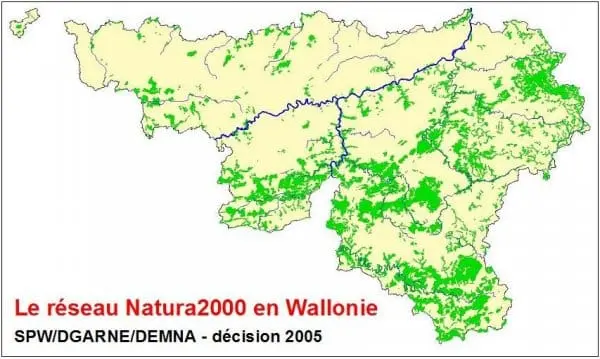
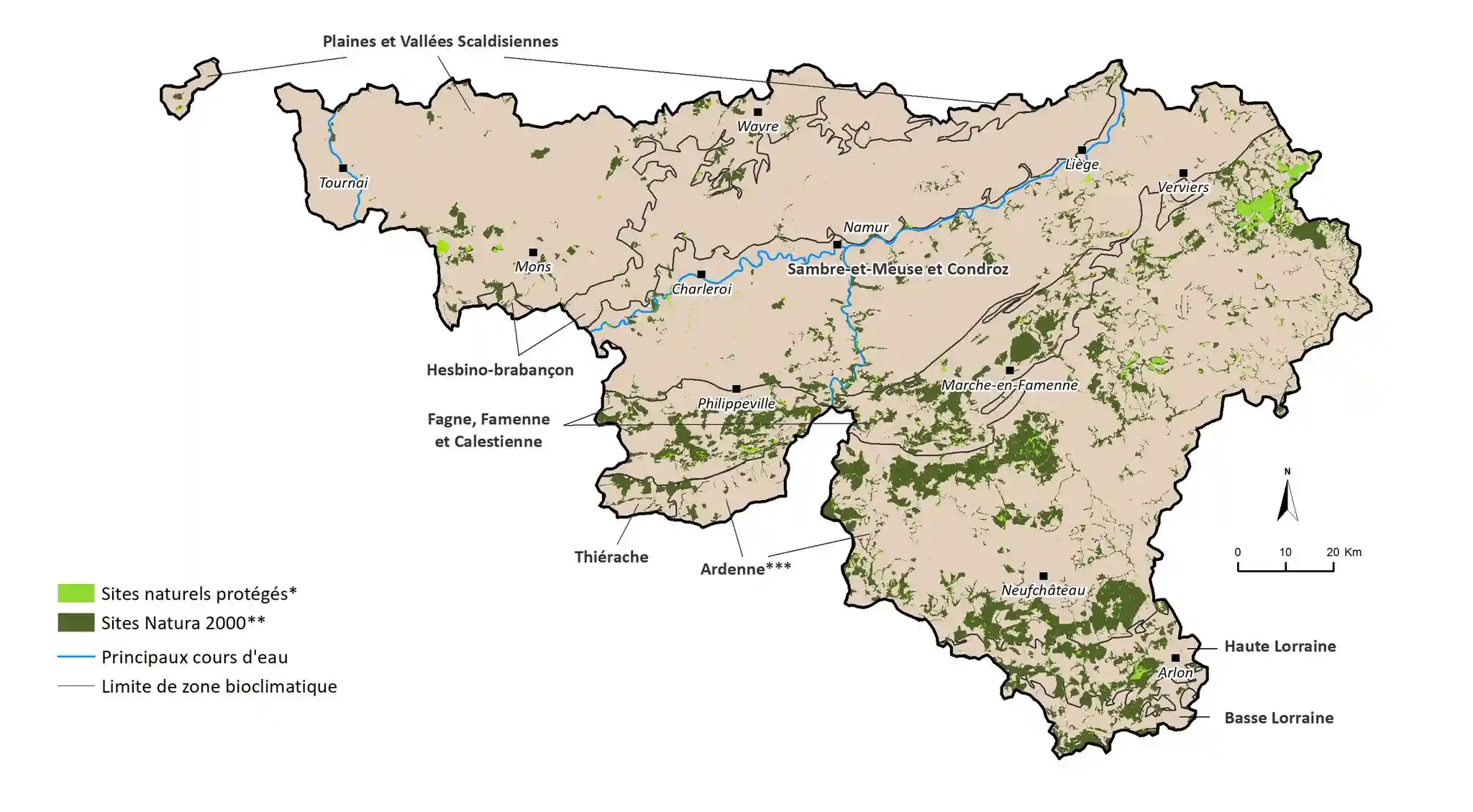
In Wallonia, the network covers 221,000 hectares (~13% of the territory), three-quarters of which are forests. Its implementation is based on the 1973 Nature Conservation Law (LCN) and its execution decrees, broken down into 14 Management Units (MUs) adapted to the types of habitats and species.
"The Natura 2000 regulations constitute a hybrid system unique in the world, combining strict protection, contractual management, and financial incentives. It guarantees the sustainability of vital ecosystem services: water purification, pollination, and flood protection."
| Indicator | Value |
|---|---|
| Types of natural habitats listed | 231 |
| Protected animal species | 1,563 |
| Protected plant species | 966 |
| Special Protection Areas (SPAs) | 5,397 |
| Special Areas of Conservation (SACs) | 23,567 |
| Natura 2000 Surface Area Wallonia | 221,000 ha |
| Share of Walloon territory classified | ~13% |
| Proportion of forests in N2000 Wallonia | 75% |
Sources: Ministry of Ecology (FR) · Parliament of Wallonia · SPW Environment
Photographic Documentation
Walloon Regulatory Mapping
The Walloon specificity lies in dividing sites into Management Units, which allow regulations to be adapted to the types of habitats and species present on each cadastral plot.
Protection of watercourses, ponds, and species like the pearl mussel. Ban on conifer planting within 12m of banks.
Conservation of wet meadows, moorlands, and calcareous grasslands. Fertilizers and pesticides strictly limited or prohibited.
Maintenance of breeding areas for avifauna and insects. Mowing prohibited from March 15 to July 31.
Grassy buffer zones along watercourses to limit inputs. Subsidy up to €1,200/ha/year.
Ecological connectivity zones between open environments. Subsidy €180/ha/year (eco-scheme).
Ravine forests and maple woods on scree – very rare environments. Subsidy €48/ha/year.
Flood-prone forests playing a crucial role in the water cycle and flood regulation. Subsidy €48/ha/year.
Native beech and oak woods sheltering sensitive species. Subsidy €48/ha/year.
Specific forest zones for the black woodpecker or wildcat. Subsidy €48/ha/year.
Often non-native stands ensuring continuity of the forest massif between priority MUs.
Agricultural lands integrated for nesting or feeding stakes of protected species.
Sources: Natura 2000 Wallonia Management Guide (Natagriwal) · Walloon Agriculture Portal · Parliament of Wallonia
⚖️ Nature Conservation Law (LCN) 1973
Walloon regulations distinguish three levels of protection for acts and works carried out in a Natura 2000 site. The absence of a reaction from the DNF has opposite legal effects depending on the level.
Applies to activities presumed to have a low impact. The owner notifies the competent DNF Director. No reaction within 15 days → the act is deemed accepted (silence means consent). Imperative to keep proof of notification.
For significant interventions: drainage, drilling, forest cutting exceeding certain thresholds, modifying the terrain. The DNF issues a decision within 45 days. No response here means refusal (silence means refusal – opposite of notification).
Acts strictly prohibited by the designation decrees. Derogation possible from the DNF Inspector General only for imperative reasons of overriding public interest (IROPI), subject to the absence of an alternative solution and strict compensatory measures.
The NIA is the preventive regulatory tool intended to verify the compatibility of projects with conservation objectives. It applies to projects both inside and near sites, as soon as a significant impact is possible.
Fundamental distinction recognized by case law:
Aim to avoid or reduce the impact at the source, before it occurs.
Counterbalance an unavoidable residual impact, after all possible mitigations.
Identify the MU of your plot
Consult the Natura 2000 mapping on environnement.wallonie.be. The MU determines applicable measures and the regulatory level.
Qualify the type of act
Notification (15d, silence = agreement) · Authorization (45d, silence = refusal) · Derogation (IROPI). Consult the site's designation decrees.
Notify or file a dossier with the DNF
For authorization: precise description of works + impact assessment + mitigation measures. Competent DNF cantonment.
Contact Natagriwal
Free personalized support to navigate the regulatory complexity and optimize your PAC-on-Web subsidies.
🌲 Mandatory General Measures
For properties over 2.5 hectares, four general measures systematically apply. The regulations aim to increase the naturalness of massifs while allowing for timber production.
| Mandatory Measure | Quantity/Threshold |
|---|---|
| Dead trees to conserve | 2 trees per hectare (fallen or standing) |
| Trees of biological interest | 1 tree every 2 hectares (cavities or large timber) |
| Conservation islands | % of the surface set aside for free evolution |
| Tiered forest edges | 10 m shrub strip on the outer edge |
| Conifers near banks | Prohibited within 12 m of watercourses |
| Clear-cutting | Subject to authorization beyond certain thresholds |
🌾 Agricultural Constraints and Opportunities
💶 Compensation mechanisms · PAC-on-Web · SPW Finances
Aware of the constraints imposed by biodiversity management, the Walloon legislator has set up compensation schemes and tax advantages. Compliance with regulations is mandatory even without applying for subsidies.
Forests MUs 6, 7, 8, 9 and TEMP 1/3
Priority forests, alluvial, of high biological interest, and species habitats. Declaration via PAC-on-Web. Reviewed every 3 years.
Meadows MU 5 – CAP eco-scheme
Connecting meadows ensuring ecological connectivity. Paid under the CAP Strategic Plan 2023-2027.
Meadows MUs 2, 3 and TEMP 1/2
Priority open environments and species habitat meadows. Most restrictive measures = highest compensation.
Extensive buffer strips MU 4 (max)
Grassy strips along watercourses. Maximum subsidy of the Walloon Natura 2000 system.
It is automatic for all plots located within the perimeter of a Natura 2000 site in Wallonia. No specific action required. Check its effective application on your annual assessment notice (SPW Finances).
Agricultural and forestry land in a Natura 2000 zone is exempt from inheritance and gift taxes, facilitating the intergenerational transmission of rural heritage. This exemption requires a specific procedure with the notary during the notarial act.
🔬 LIFE Instrument – European Union
Natura 2000 is not just a framework of constraints: it is also a powerful financial lever. Several LIFE projects have enabled spectacular advances for emblematic species of the Ardennes watercourses.
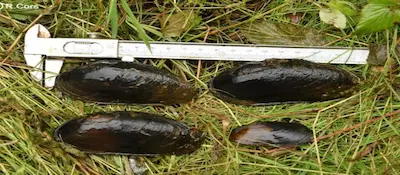
🐚 LIFE Ardennes Valleys · 2020–2028
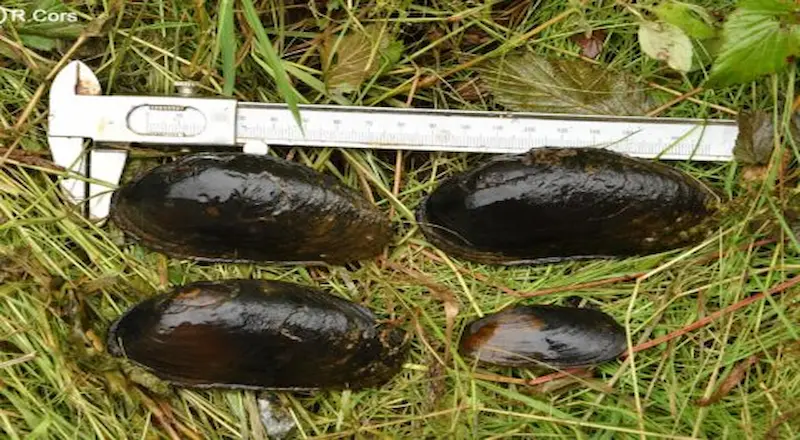
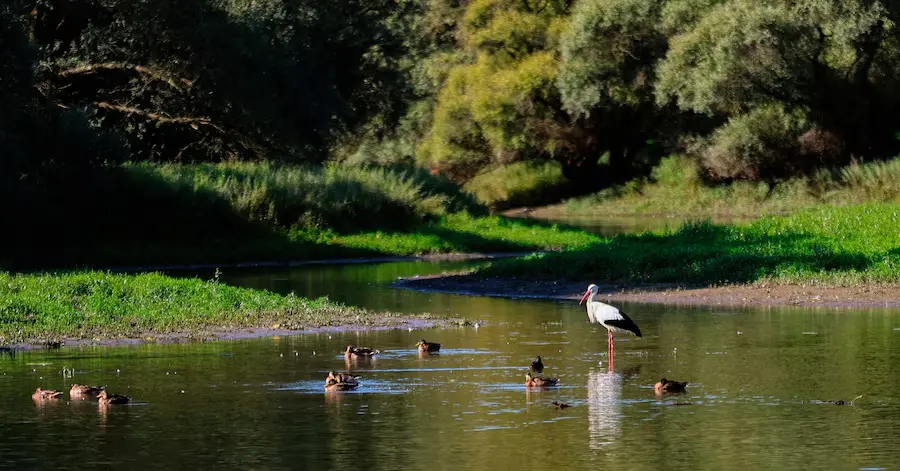
Focused on the freshwater pearl mussel (Margaritifera margaritifera) and the thick-shelled river mussel (Unio crassus), two bivalve mollusks on the verge of extinction. Works on the restoration of Ardennes watercourses, the free movement of trout (host fish essential for the mussels' reproductive cycle), and the removal of hydraulic obstacles. The presence of the otter in the Semois (confirmed by eDNA 2023 at Vresse, Mortehan, Chiny) is an indicator of the restored quality of the habitat.
🌱 LIFE Croix-Scaille · Gedinne Plateau
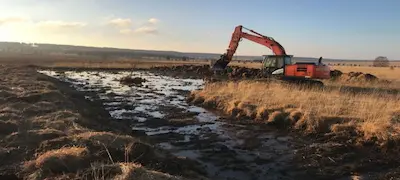
This project enabled the restoration of peaty environments and wet moorlands on the Gedinne plateau (Namur province). Method: removal of unsuitable conifer plantations and restoration of the natural hydrological functioning of the peat bogs. An iconic example of active restoration versus simple maintenance of the existing state — a model for the future objectives of the European Nature Restoration Law (2030/2040/2050).
🪨 LIFE in Quarries · Economic Innovation
An original initiative demonstrating that biodiversity protection and economic activities can be compatible. Creation of temporary habitats for pioneer species such as the natterjack toad (Bufo calamita) during the active exploitation phase of Walloon quarries. A cohabitation model proving that Natura 2000 is not a systematic obstacle to economic development.
🏛️ Governance · Conservation Commissions
A non-profit organization mandated by the Walloon Region, Natagriwal provides personalized advice to forest and agricultural landowners in Natura 2000 zones. It helps fill out compensation forms (PAC-on-Web) and supports the implementation of voluntary ecological restoration measures, subsidized for certain restoration works.
Walloon advisory bodies responsible for monitoring the conservation status of sites and issuing opinions on authorization requests or revisions to requirements. Composed of representatives from:
New framework imposing quantified targets: restoration of a percentage of habitats in poor condition by 2030, then 2040 and 2050. In Wallonia, where many habitats show an "unfavorable" status, the focus must be placed on active restoration rather than simply maintaining the status quo ("standstill").
🛶 Natura 2000 and outdoor activities on the Semois
The Semois and its tributaries pass through several Natura 2000 sites (MU 1 – Aquatic environments). Kayaking and canoeing are activities compatible with conservation, provided good practices are followed.
📚 References & EEAT
To guarantee reliable information, this technical reference guide on the Natura 2000 network in Wallonia relies strictly on official institutional databases and European and regional legal texts:
Official Journal of the European Union. Legal basis imposing the creation of Special Areas of Conservation (SACs) and the preservation of biodiversity.
Resource from the Public Service of Wallonia (SPW). Primary information on the Nature Conservation Law (LCN), Management Units, and authorization procedures.
Frequently Asked Questions
The Natura 2000 network covers approximately 221,000 hectares in the Walloon Region, or ~13% of the regional territory. Three-quarters of this surface consists of forests. These sites are divided into 14 Management Units (MUs).
(1) Notification: low impact, notified to the DNF, accepted within 15 days without reaction; (2) Authorization: significant interventions (drainage, drilling, felling), the DNF issues a decision within 45 days, absence of response = refusal; (3) Exceptional derogation: prohibited acts, derogation possible via the DNF Inspector General.
Via PAC-on-Web: Forests MUs 6,7,8,9 = €48/ha/year · Meadows MU 5 = €180/ha/year · Meadows MUs 2,3 = €460/ha/year · Extensive buffer strips MU 4 = up to €1,200/ha/year.
(1) Automatic exemption from property tax for all plots in a Natura 2000 zone; (2) Exemption from inheritance and gift taxes for Natura 2000 agricultural and forestry land – specific procedure required with a notary.
For properties over 2.5 ha: 2 dead trees/ha · 1 tree of biological interest every 2 ha · conservation islands · tiered edge (10 m). Prohibited: conifer plantations within 12 m of banks.
Yes, kayaking is compatible subject to compliance with seasonal restrictions, quiet zones, and minimum flow rates (WFD = 5.5 m³/s at Bohan).
The "Sweetman" ruling (CJEU) dictates that a project can only be authorized if the competent authority has acquired absolute scientific certainty that it will not adversely affect the integrity of the site.
Focused on the freshwater pearl mussel and the thick-shelled river mussel. Works on the restoration of Ardennes watercourses and the free movement of trout.
🌿
The Semois is classified as Natura 2000 (MU 1 – Aquatic environments). Responsible kayaking helps promote these exceptional environments. Our base in Vresse-sur-Semois, in the heart of the National Park, respects all management requirements.
Rated 4.6/5 based on 1,282 reviews
« A perfect family day on the Semois. The welcome at Kayak Semois Ardenne is warm, the equipment is spotless (the kayaks are modern and clean), and the free shuttle system is superbly organised. A must-visit in the Ardennes! »
« Beautiful kayak trip on the Semois starting from Vresse! Very friendly staff and excellent shuttle service. The riverside campsites along the Semois are also a must for nature lovers. »
« Superb 11 km kayak descent starting from Alle-sur-Semois. The wild nature of the Ardennes is magnificent in the spring sunshine. Very competitive prices compared to the competition. We'll be back! »
« Wonderful experience! The kayak tour on the Semois was perfectly organised. The team is very helpful and speaks good German. The scenery of the Belgian Ardennes is simply breathtaking. »
« Excellent kayak rental service and great campsite on the banks of the Semois. The prices are very fair and the atmosphere is friendly and family-oriented. The little terrace bar is perfect for a refreshing drink after the effort. »
« A fantastic last-minute welcome even though we hadn't booked in the middle of August. Life jackets and waterproof barrels are provided free of charge. Very safe descents, ideal with children! »
« Top-tier kayak rental on the Semois river. Extremely friendly staff, well-maintained kayaks, and a reliable shuttle. The viewpoints along the river are absolutely stunning. Highly recommend this local business! »