Jean-Luc Demaret G
« A perfect family day on the Semois. The welcome at Kayak Semois Ardenne is warm, the equipment is spotless (the kayaks are modern and clean), and the free shuttle system is superbly organised. A must-visit in the Ardennes! »
The unbreakable City of Salamanders between Sambre and Meuse
Proudly perched on its rocky outcrop, the city of Beaumont – literally the Bellus Mons of the ancients – offers one of the most authentic and resilient faces of Walloon heritage. Halfway between Mons and Chimay, this fortified city has endured through the centuries with a tenacity that earned it the nickname "City of Salamanders." Here, the limestone tells stories of dukes, emperors, and poets, while the ramparts still whisper the echoes of past battles.
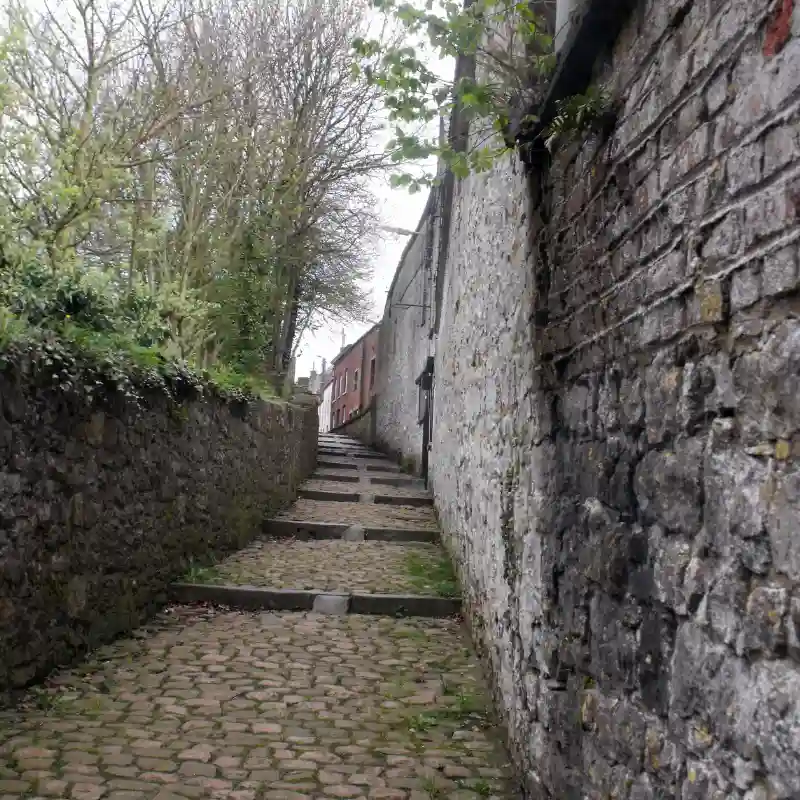
Walking in Beaumont is like taking a journey through time. From the remains of the medieval enclosure to the majestic Salamander Tower, every street bears witness to great strategic importance. Once the southern lock of the County of Hainaut facing the Kingdom of France, Beaumont has transformed its military vocation into a discreet but powerful tourist charm, where the quality of life and respect for gastronomic traditions remain intact.
The location of Beaumont was not chosen by chance. The city spans a limestone plateau that overlooks the valley of the Hantes. This river, a small tributary of the Sambre, has carved a tormented relief through geological eras, providing the city with natural protection on several flanks. The subsoil consists of layers of Carboniferous limestone, a hard and noble stone used for the construction of the ramparts and the Salamander Tower.
This position as a "balcony" over the Entre-Sambre-et-Meuse region offers Beaumont exceptional panoramas. In clear weather, the view from the top of the fortifications reaches far towards the Ardennes forests and the Hainaut plains, highlighting the visual importance of this stage city that once monitored troop movements between the Spanish Netherlands and France.
Around 1070, Countess Richilde of Hainaut decided to build a fortress on this steep mountain. The goal was clear: to protect the southern borders of the county. A small town quickly developed under the protection of the castle. Through the centuries, Beaumont passed into the hands of illustrious families: the Hainauts, the Avesnes, the Blois, before joining the prestigious house of de Croÿ.
Under the influence of the Dukes of Croÿ, Beaumont experienced its golden age. Charles de Croÿ, a great collector and patron, made the city one of his favorite residences. During this time, the famous "Albums of Croÿ" immortalized the city, showing a town enclosed by walls, dominated by its castle and bell towers. Despite successive destructions ordered by Turenne or during the Wars of Religion, the spirit of the city has remained engraved in stone.
An architectural heritage passionately preserved through the millennia.
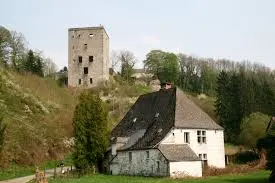
This is the soul of Beaumont. A massive 11th-century keep, converted into a museum, it tells the local history over 4 floors. From the terrace at the top, it offers a 360° view over the Hantes valley. A vertical journey through time.
Discover the history →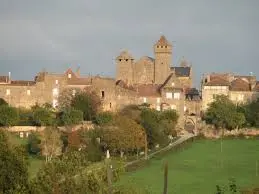
Beaumont preserves magnificent sections of its medieval walls. The curtains and the remaining towers bear witness to the former strength of this fortress. A walking circuit allows you to make the full perimeter.
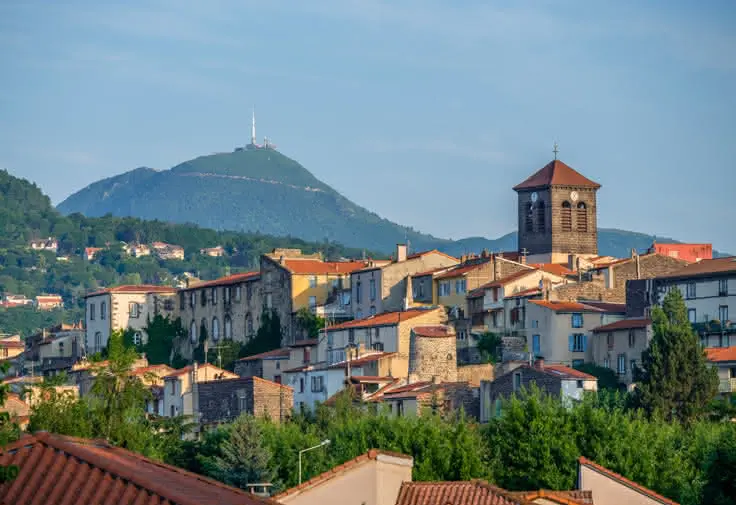
Rebuilt after the fire of 1549, this church in Hainaut Gothic style houses the sculpted tombs of the Croÿs and listed organs. A haven of silence and spirituality in the heart of the city.

By Quentin Deligne, Heritage & Tourism Expert
"Beaumont is what I call a resilient crossroads city. Historically, it has endured everything: sieges, fires, lootings. But like the salamander in its emblem, it always rises from its ashes. What fascinates me here is the perfect balance between the austerity of medieval stone and the current sweetness of life. For EEAT, Beaumont is a gold mine: an authenticity proven by centuries of documents and a physical heritage that does not lie. It is an essential stop for anyone wanting to understand the genesis of the Entre-Sambre-et-Meuse."
One of the most famous pages in the history of Beaumont was written in June 1815. Emperor Napoleon I, on his way to what would be his last battle, chose Beaumont for his headquarters. On the night of June 14 to 15, he stayed in the old town hall (now gone, replaced by a commemorative plaque on the Grand Place).
From Beaumont, he gave his orders for the final offensive. The next morning, his troops crossed the border a few kilometers away to enter Charleroi. It is said that the Emperor, concerned about the silence of his scouts, spent part of the night studying maps by candlelight. This stay has left an indelible Napoleonic mark on Beaumont, attracting many imperial history enthusiasts every year.
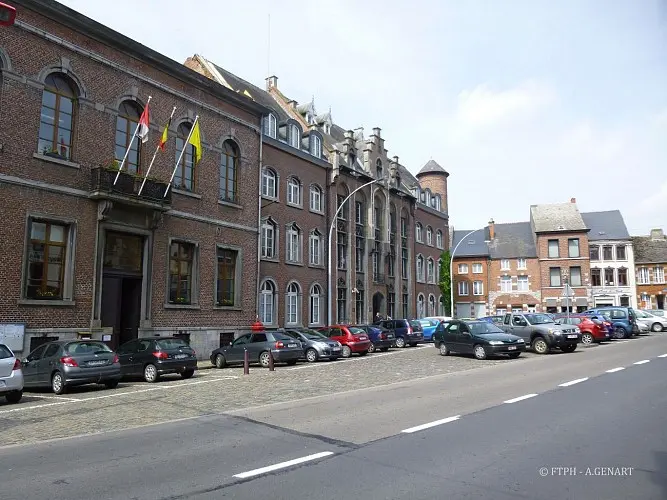
One cannot talk about Beaumont without mentioning its famous Macarons. Note, they have nothing to do with the colored macarons from Paris! The Beaumont macaron is a dry biscuit, soft inside, consisting of sugar, sweet and bitter almonds, and egg white.
Legend has it that the recipe was brought by an officer of Napoleon, but local archives suggest an older origin, linked to the culinary traditions of the court of the Dukes of Croÿ. Today, only a handful of artisans possess the secret of the original preparation, making Beaumont a pilgrimage site for foodies.
The Beaumont macaron is recognized as a "Local Product" and is an integral part of the local identity. It is best enjoyed with a regional beer or a cup of coffee after a long walk along the ramparts.
Sources: Wikipedia Beaumont | Archives of the House of Croÿ | Quentin Deligne (EEAT Expert)
↑ Back to topNoté 4.6/5 sur 1282 avis
« A perfect family day on the Semois. The welcome at Kayak Semois Ardenne is warm, the equipment is spotless (the kayaks are modern and clean), and the free shuttle system is superbly organised. A must-visit in the Ardennes! »
« Beautiful kayak trip on the Semois starting from Vresse! Very friendly staff and excellent shuttle service. The riverside campsites along the Semois are also a must for nature lovers. »
« Superb 11 km kayak descent starting from Alle-sur-Semois. The wild nature of the Ardennes is magnificent in the spring sunshine. Very competitive prices compared to the competition. We'll be back! »
« Wonderful experience! The kayak tour on the Semois was perfectly organised. The team is very helpful and speaks good German. The scenery of the Belgian Ardennes is simply breathtaking. »
« Excellent kayak rental service and great campsite on the banks of the Semois. The prices are very fair and the atmosphere is friendly and family-oriented. The little terrace bar is perfect for a refreshing drink after the effort. »
« A fantastic last-minute welcome even though we hadn't booked in the middle of August. Life jackets and waterproof barrels are provided free of charge. Very safe descents, ideal with children! »
« Top-tier kayak rental on the Semois river. Extremely friendly staff, well-maintained kayaks, and a reliable shuttle. The viewpoints along the river are absolutely stunning. Highly recommend this local business! »