The Inuit Origins of the Kayak

The kayak, as we know it today, has its roots in the ingenuity of the indigenous peoples of the Arctic. The Inuit, Yupik, and Aleut peoples developed these boats over 4000 years ago to survive in a hostile environment. Today, discover our kayak courses on the Semois to experience this adventure in the Belgian Ardennes.

The early kayaks were wonders of primitive engineering:

  • Frame made of driftwood or whale bone
  • Covering of seal skins waterproofed with fat
  • Streamlined shape to slice through waves
  • Flotation system with animal bladders

These lightweight boats (about 15 kg) allowed hunting seal, walrus, and even whales in the icy waters of the Arctic. Their design was so efficient that an Inuit kayak could be flipped and righted with a simple twist of the hips - a technique now known as the "Eskimo roll".
See modern evolution
Reproduction of a traditional Inuit seal skin kayak
Inuit hunter in his kayak, historical illustration Historical information board about kayaks

Etymology and Cultural Significance

The term "kayak" comes from the Inuktitut word "qajaq" (???), which literally translates to "hunter's boat". This name reflects the primary function of the vessel in Inuit culture.

In Inuit oral tradition, the kayak was much more than just a tool:

  • Symbol of passage to adulthood for young hunters
  • Ritual object often decorated with symbolic motifs
  • Technical heritage passed down from generation to generation

The adoption of the word "kayak" into European languages dates back to 18th-century explorers, fascinated by the efficiency of these boats. The first attested usage in French dates from 1765 in accounts of Arctic expeditions.

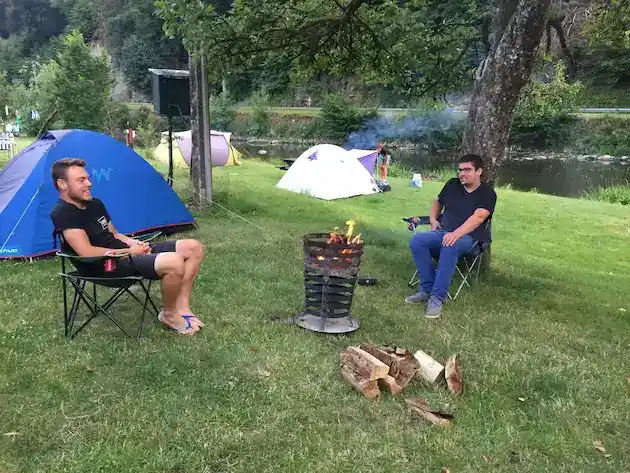
Word qajaq written in Inuktitut syllabics Detail of traditional patterns on an Inuit kayak Camping by the water with kayaks

The Technical Evolution of the Kayak

The kayak has undergone a radical transformation since its adoption by Western cultures in the 19th century:

Materials Revolution

  • 1950s: Appearance of the first fiberglass kayaks
  • 1970s: Introduction of rotomolded polyethylene
  • 2000s: Development of carbon/kevlar composites

Design Innovations

  • Self-bailing hulls for whitewater
  • Rudder systems for sea kayaking
  • Adjustable ergonomic seats
  • Watertight storage compartments

This evolution has diversified kayak usage, moving from a survival tool to a sport and leisure activity accessible to all.

Discover modern types
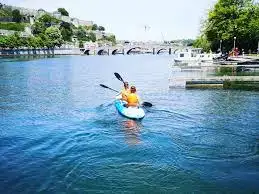
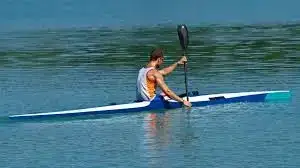
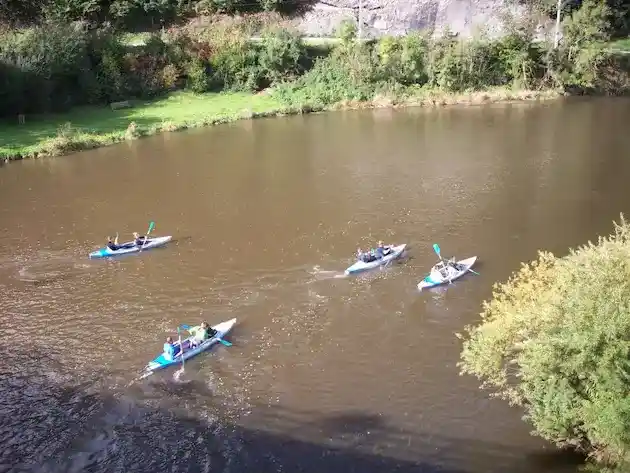
Comparison between traditional and modern kayak Carbon fiber competition kayak Group kayaking on the river

Health Benefits of Kayaking

Kayaking is a complete activity offering unique benefits for body and mind:

Physical Benefits

  • Harmonious muscle development: Engages 90% of body muscles, specifically arms, shoulders, back, and abdominals
  • Cardiovascular improvement: One hour of moderate kayaking burns 300-400 calories
  • Posture strengthening: Promotes maintaining an aligned spine

Psychological Benefits

  • Stress reduction through contact with water and nature
  • Improvement of concentration and coordination
  • Sense of personal accomplishment

According to a study by the University of Brussels, practicing kayaking twice a week reduces the risk of musculoskeletal disorders by 30%. Discover why choose Kayak-ardenne for your safe kayaking adventure.

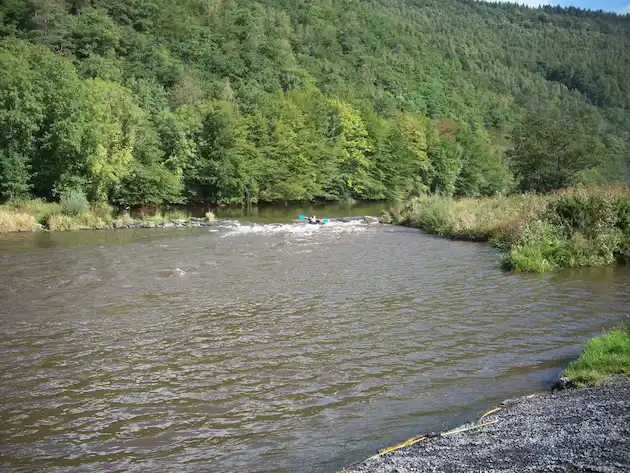
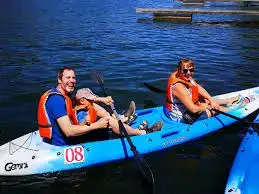
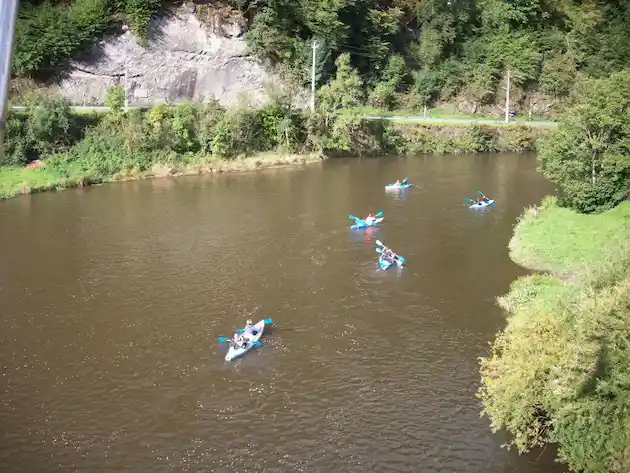
Smiling group kayaking on the river Demonstration of muscles used in kayaking Water level and navigation conditions

Unforgettable Kayak Discoveries

Kayaking opens access to spectacular landscapes often inaccessible otherwise:

Most Beautiful Sites in Europe

  • Verdon Gorges (France) - The "European Grand Canyon" with its turquoise waters and vertiginous cliffs
  • Ardèche (France) - Renowned for its natural Pont d'Arc and prehistoric caves
  • Semois (Belgium) - Our varied landscapes between deep forests and picturesque villages

World Gems

  • Glacier Bay (Alaska) - among the last sanctuaries of traditional kayaking
  • Milford Sound (New Zealand) - spectacular fjords
  • Ha Long Bay (Vietnam) - among the most beautiful kayak sites in the world

Group kayaking in the Verdon Gorges Map of kayak courses on the Semois Kayak safety equipment

Different Types of Modern Kayaks

Technological evolution has given rise to a diversity of specialized kayaks:

By usage

  • Sea Kayak - Long (4-5m), narrow, with rudder for open water trips
  • River Kayak - Short (2-3m), maneuverable for rapids
  • Recreational Kayak - Wide and stable, ideal for families
  • Inflatable Kayak - Practical for transport and storage

By material

  • Polyethylene - Robust and economical
  • Fiberglass - Light and high-performance
  • Carbon Composites - High-end for competition

At Kayak-ardenne, we offer a selection of kayaks adapted to all levels to discover the Semois in the best conditions.

Different types of kayaks aligned Technical details of a modern kayak Group preparing kayaks for an excursion