Discover the Semois valley at your own pace
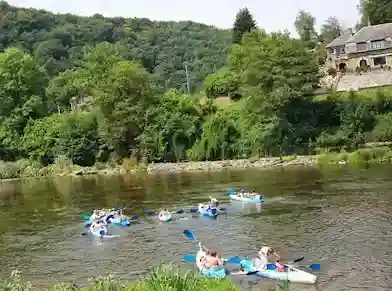
Welcome to Kayak ardenne! As local experts and lovers of our river, we invite you to discover the hidden treasures of the valley. Embark on a memorable adventure in the heart of the new Semois Valley National Park.
Explore the Natural Wealth of the Semois
Welcome to the interactive encyclopedia of the Semois valley. Nestled in the heart of the Belgian Ardennes, this region is home to exceptional biodiversity. Discover the iconic species, preserved habitats, and efforts implemented to protect this unique natural heritage.
The Semois Fauna
From the deep forests to the whitewater of the river, the Semois is a refuge for many animal species. Filter by category to discover mammals, birds, fish, and other inhabitants of the valley.
Common Kingfisher
Scientific name: Alcedo atthis. Conservation status: Least Concern. This beautiful bird with blue-green and orange plumage is an indicator of the water quality of the Semois.
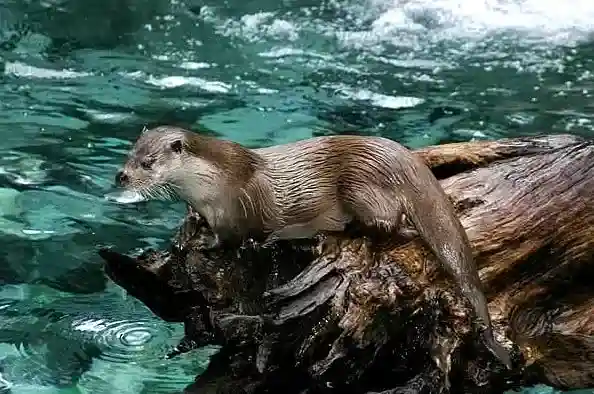
Eurasian Otter
Scientific name: Lutra lutra. Conservation status: Near Threatened. The presence of the otter in the Semois is a testament to the excellent quality of the aquatic ecosystem.
The Semois Flora
The flora of the valley is just as diverse, with its deciduous and coniferous forests, flowered meadows, and wetland plants. Explore the botanical treasures of the region.
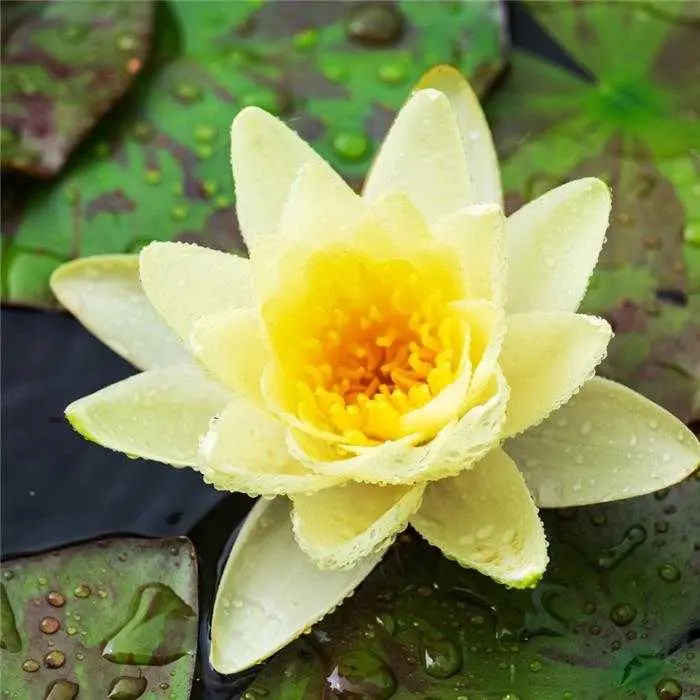
Yellow Water-lily
Scientific name: Nuphar lutea. Conservation status: Common. Iconic aquatic plant of the calm areas of the Semois, providing shelter for aquatic wildlife.
Key Ecosystems
The biodiversity of the Semois relies on a network of interconnected habitats. Understanding these ecosystems means understanding the life that depends on them. Explore the three pillars of local nature.
The Semois River
Vital artery of the valley, its clear and well-oxygenated waters shelter demanding fish like the grayling and trout. Its banks are the territory of the kingfisher and the otter.
The Ardennes Forests
Vast expanses of beeches, oaks, and spruces, the forests offer shelter and food to large game. It is the realm of the deer, the wild boar, and nocturnal raptors like the eagle-owl.
The Wet Meadows
Often located in the meanders of the river, these meadows are full of wild flowers, insects, and amphibians. They are crucial for the black stork which finds its food there.
Protecting this Heritage
Preserving the biodiversity of the Semois is a major challenge. Many areas are classified as "Natura 2000" to protect the most fragile habitats and species.
Species Status
This chart illustrates the distribution of species in the region according to their conservation status. While many species are common, a significant portion is considered vulnerable or is subject to strict protection measures, highlighting the importance of conservation efforts.
- Common: Well-established and non-threatened species.
- Vulnerable: Species facing a high risk of extinction in the wild.
- Protected: Species benefiting from legal protection measures due to their rarity or ecological importance.
Historical & Cultural Heritage
The Semois valley is not just about its exceptional nature. It also houses a rich historical and cultural heritage, a witness to centuries of history and traditions.
🏰 Bouillon Castle
Dominating the town of Bouillon, this feudal castle is one of the oldest and most beautiful vestiges of military architecture in the region. It offers an exceptional panorama over the Semois.
🌾 Old Mills
All along the river, discover the vestiges of the water mills that paced the economic life of the valley for centuries.
📜 Did you know?
Tobacco cultivation marked the history of the Semois in the 19th and 20th centuries. The tobacco drying sheds, these characteristic slatted buildings, still punctuate the landscape and recall this bygone era.
Proud of our National Park
Historical moment: in December 2022, the Semois Valley was officially recognized as the First National Park of Wallonia. This is an immense pride and a great responsibility that Kayak-ardenne takes very seriously.
The National Park is:
28,900 Hectares 8 Municipalities €18M InvestedSpecies Status
Preserving this balance is our priority. The chart shows the distribution of conservation statuses, highlighting the presence of fragile species that justify these protection efforts.
- Common (65%): Well-established species.
- Vulnerable (20%): Risk of extinction.
- Protected (15%): Strict legal protection.
Our Commitment to Sustainable Tourism
As an actor in the Park, Kayak-ardenne is committed to:
- Supporting the training of "River Guides" as Park ambassadors.
- Respecting and promoting the Responsible Kayaker's Charter.
- Participating in the protection of fragile ecosystems.
- Enhancing new soft infrastructures (bivouac areas, observatories...).
- Raising our clients' awareness of the natural wealth.
- Contributing to local economic development.
Semois Species Index
Discover the detailed profiles of the iconic animal and plant species of the Semois Valley National Park.
Semois Fauna
Eurasian Beaver (Castor fiber)
The largest rodent in Europe, successfully reintroduced in the Semois. IUCN Status: LC. Habitat: wooded banks and river wetlands. Ecosystem engineer, it builds dams creating beneficial wetlands for many species.
To be observed during a kayak descent at sunrise or from the Semois camping.
Red Deer (Cervus elaphus)
Largest terrestrial mammal in Belgium, emblem of the Ardennes forests. IUCN Status: LC. Habitat: large deciduous forests of the Semois National Park. Its roar rings out every autumn in the valley.
Its habitat can be explored via the Ardennes places guide and from the Semois camping.
Eurasian Otter (Lutra lutra)
Indicator of the water quality of the Semois National Park. IUCN Status: NT (Near Threatened). Habitat: rivers with wooded banks and pure waters. Its presence in the Semois is a testament to an exceptional river ecosystem.
Observable by kayak at dawn. It frequents the same trout waters of the blue zone.
Wild Boar (Sus scrofa)
Common omnivore in the National Park forests. IUCN Status: LC. Habitat: dense forests and wet edges. Plays a key ecological role by loosening the soil and promoting the germination of forest plants.
The Ardennes forests constitute its natural habitat.
Common Kingfisher (Alcedo atthis)
One of the most colorful birds in the Semois valley. IUCN Status: LC. Habitat: banks of clear water rivers. A frequent sight during a kayak descent, it dives steeply to catch its prey.
Observable by kayak and in the trout fishing areas.
Black Stork (Ciconia nigra)
Rare species nesting in the large quiet forests of the National Park. IUCN Status: LC. Distinguished from the white stork by its discretion and forest preferences. Feeds in the wet meadows of the valley.
Its habitat is described in the valley places guide.
Eurasian Eagle-Owl (Bubo bubo)
The largest nocturnal raptor in Europe, emblem of the Ardennes nights. IUCN Status: LC. Habitat: rock faces and forests with outcrops. Its deep hoot echoes in the Semois valley.
Audible from the Semois camping. Rocky sites referenced in the Ardennes guide.
Grayling (Thymallus thymallus)
Iconic fish of the pure waters of the Semois. IUCN Status: VU (Vulnerable). Its large colored dorsal fin distinguishes it. Its presence guarantees the water quality of the National Park.
Flagship species of the blue zone fishing. Observable by kayak in fast areas.
Brown Trout (Salmo trutta fario)
Emblem of the Ardennes rivers and target for sports anglers. IUCN Status: LC. Habitat: cold, clear, well-oxygenated waters with gravelly bottoms in the Semois.
Fish for brown trout on the blue zone of the Semois. Visible by kayak in the clear waters.
Common Barbel (Barbus barbus)
Powerful bottom fish of the Semois, recognizable by its barbels. IUCN Status: LC. Lives in the strong currents and deep areas of the National Park.
Target for anglers on the Semois looking for a sports fight.
Fire Salamander (Salamandra salamandra)
Amphibian with aposematic black and yellow colors from the wet Ardennes forests. IUCN Status: LC. Active at night and after rain, it symbolizes the richness of amphibians in the National Park.
To be observed on a night hike in the Ardennes forests from the camping.
Beautiful Demoiselle (Calopteryx virgo)
Large iconic dragonfly of the Semois banks. IUCN Status: LC. Its metallic blue-black wings are characteristic. Its presence indicates the purity and vitality of the National Park river.
Very abundant during a kayak descent along the sunny banks.
Semois Flora
Common Beech (Fagus sylvatica)
Dominant species of the Ardennes forests in the National Park. IUCN Status: LC. Its cathedral-like stands create a microclimate and a remarkable undergrowth sheltered by the biodiversity of the Semois.
The beech groves can be explored via the Ardennes places guide or from the Semois camping.
Pedunculate Oak (Quercus robur)
Majestic tree, symbol of biodiversity in the National Park. IUCN Status: LC. Shelters hundreds of species of insects, birds, and mammals in the Semois valley.
The oak groves are described in the Ardennes places guide.
Douglas Fir (Pseudotsuga menziesii)
Non-native conifer omnipresent in the reforestation areas of the National Park. Planted for its rapid growth, it marks the Ardennes winter landscape.
Visible in the Ardennes forests during hikes from the camping.
Foxglove (Digitalis purpurea)
Spectacular plant of the clearings and edges of the National Park. IUCN Status: LC. Its pink or purple bells are remarkable. Warning, the plant is highly toxic.
To be admired during botanical walks from the Semois camping with the places guide.
Wild Daffodil (Narcissus pseudonarcissus)
Emblem of the Ardennes spring in the National Park. IUCN Status: LC. Entire carpets illuminate the undergrowth and wet meadows of the Semois valley every spring.
A spectacle not to be missed during a spring kayak descent or at the Semois camping.
Meadowsweet (Filipendula ulmaria)
Medicinal plant of the Semois banks in the National Park. IUCN Status: LC. Its fragrant white plumes adorn the shores in summer. Botanical ancestor of aspirin.
Abundant on the banks during a kayak descent and around the riverside camping.
Cep (Porcini) (Boletus edulis)
King of mushrooms in the National Park forests. IUCN Status: LC. Grows in autumn in the Ardennes beech and oak forests. Sought-after gastronomic mushroom.
Mycological season from the autumn camping with the undergrowth guide.
Chanterelle (Cantharellus cibarius)
Golden yellow mushroom of the mixed forests of the Semois National Park. IUCN Status: LC. Distinctive fruity flavor, found in summer and autumn in the Ardennes woods.
Foraging to be organized from the camping with the Ardennes forests guide.